


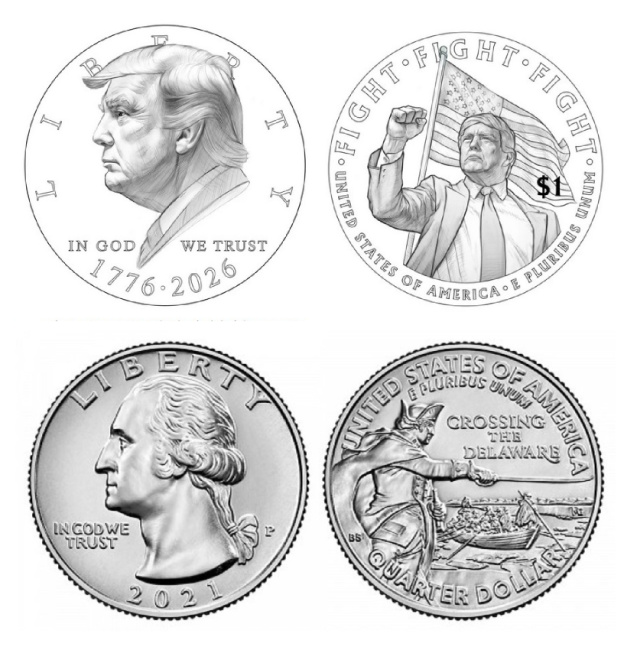
Putting Donald Trump on a U.S. commemorative coin feels as phony as a two-dollar bill.
Though it seems sketchy, this is no Temu tchochke.
The Treasury Department announced it is developing a one-dollar commemorative coin in celebration of the nation’s 250th birthday, bearing the image of President Trump. His profile is featured on the “heads” side of the coin. On the “tails” side, the coin depicts him after the “assassination” attempt, raising his fists with the words “Fight Fight, Fight.”
Couldn’t they have found a former president or American patriot who wasn’t a convicted felon?
He will also be the first sitting president depicted on U.S, currency.
Something doesn’t add up.
Heads or tails it’s a con job.
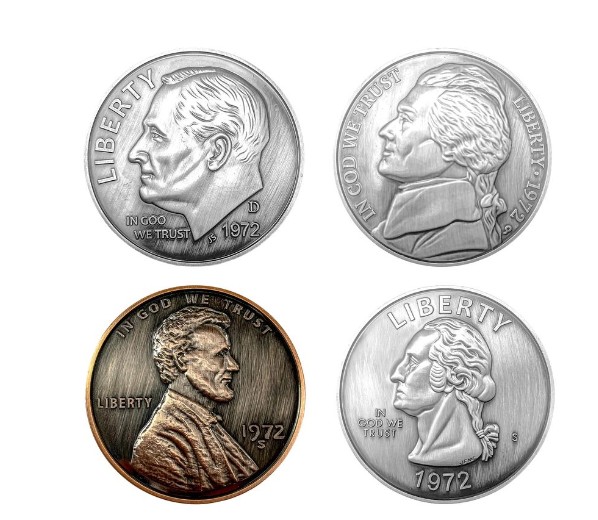
A 1866 law passed by Congress decreed that only deceased people could appear on U.S. currency.
Why? To avoid the appearance that America was a monarchy.
And prevent a dictator from putting his face on a coin.
The destroyer of democracy has no place on any American currency. If coins are a collectible part of history what will this coin say about this president and these times?
A Flip of A Coin- Coin Collecting
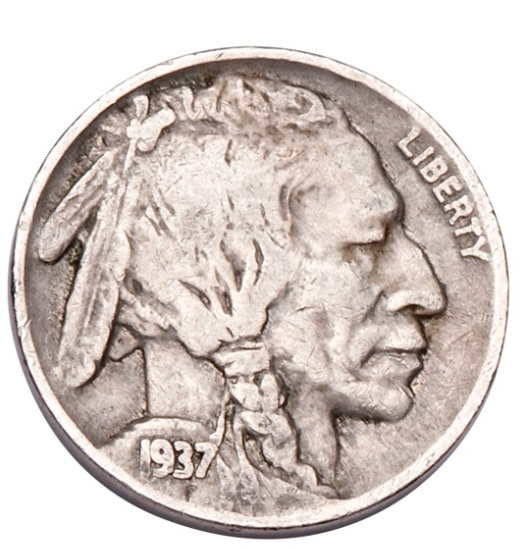
I loved collecting coins as a child.
They were a tangible part of history; I could hold the past in my hands. I never pocketed change from the candy store or the Good Humor Man without looking to see if a unique coin was in the mix, always on the lookout for well-worn buffalo nickels, mercury dimes, or the rare Indian head.
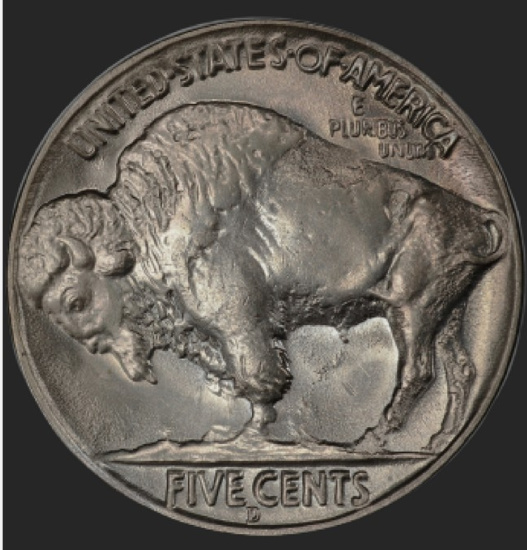
Old coins were still in circulation in mid-century America, and you could still find turn-of-the-century coins mixed in with your change from an Archie comic book.
Most coins went into my piggy banks, but the rare ones would be separated out to be placed in special blue folders.
Coin collecting is a hobby that has long since faded in popularity, even though remnants of this passion still reside in my cellar.
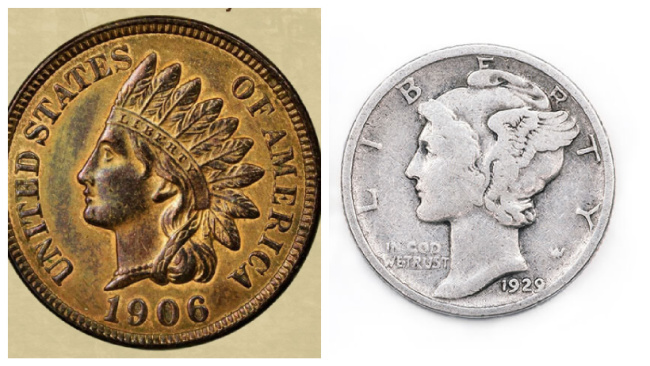
Next to the musty cartons of stamp albums stacked on shelves in my basement are cardboard boxes filled with worn coin folders that my maternal grandfather, Arthur, started at the turn of the last century and passed on to my brother and me.
Dozens and dozens of the classic Whitman coin albums, the dark blue albums featuring leatherette cover with gold lettering and the die cut holes for coins and plastic slides to protect them. Opening them up is a walk into another time filled with Liberty silver dollars from 1898 and the first Lincoln penny issued from 1909.
A Penny Saved is a Penny Earned
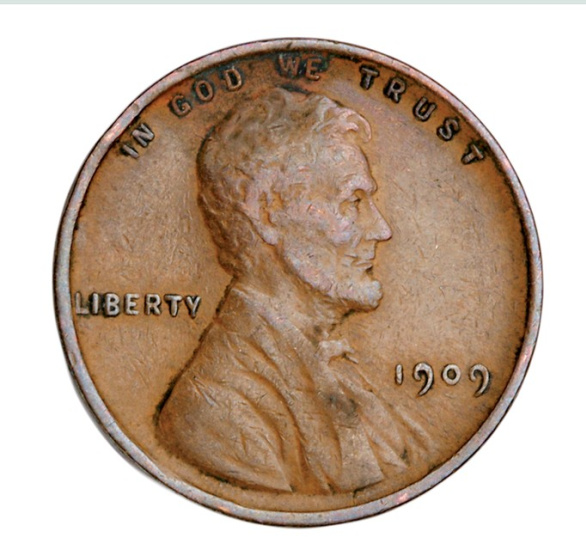
Lincoln pennies were the first US coin to depict a real person.
This was a break with the previous coin tradition. Before the Lincoln cent, no regularly circulating coin had featured an actual person ( as opposed to idealized personifications such as of liberty)
The centennial for the birth of the assassinated president would occur in February 1909, and large number of privately manufactured souvenirs were already being issued. Many citizens had written to the Treasury Department proposing a Lincoln Coin, and President Theodore Roosevelt was interested in honoring his fellow Republican.
Kennedy Half Dollar
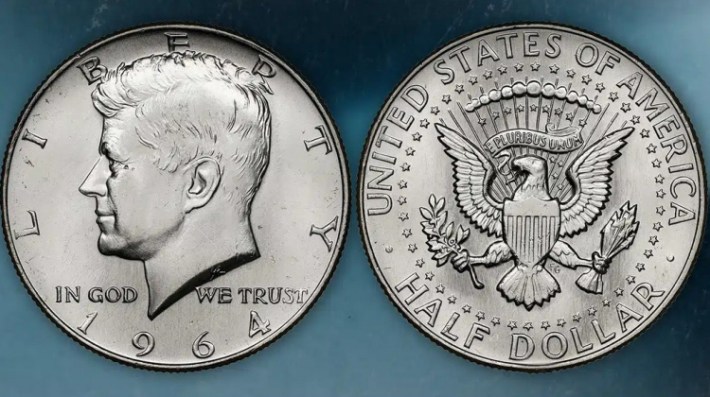
While most of the coins I collected are tucked away in cartons, the one coin I truly coveted as a child is still on display in my office.
It was the one I got for my ninth birthday.
In 1964, while other girls my age might have dreamed of getting the just-released Skipper doll for their birthday, that cute pre-teen with long straight hair and bangs, I had no interest in Barbie’s little sister. My family had something more special for me. I would be the first to get a newly minted Kennedy half dollar, received on my birthday, just 2 days after it became available to the public.
Coins mattered in my family.
After the tragic assassination of President John F. Kennedy on November 22, 1963, plans were quickly put into place to mint a coin in his honor.
It would replace the familiar Franklin Half Dollar honoring Founding Father Benjamin Franklin that had been in production since 1948. Normally, the Franklin design would have served the nation until at least 1973, but the tragic death of President Kennedy hastened the end of its run.
Within days of the assassination, Treasury Secretary C. Douglas Dillon informed the U.S. Mint Director Eva Adams that he wanted to honor Kennedy by placing his likeness on the half-dollar coin. Presidents had appeared on coins, but only once they were deceased.
Congress had bestowed a similar honor on President Franklin Roosevelt when it placed his portrait on the dime in 1946 a year after his death.
On November 27, the Mint Chief Engraver Gilroy Roberts got to work on the Kennedy Half Dollar as Congress drew up legislation to authorize the new design. Given the short time frame, Roberts adapted the Kennedy portrait he designed for the President’s inaugural medal.
In record time, production of the Kennedy Half Dollar got underway in January 1964. There was tremendous public interest. They were officially offered to the public on March 24,1964, and the silver coins were hoarded upon their release.
Lines formed around the Treasury Department’s cash window in Washington D.C., and the Mint’s allocation of 70,000 pieces sold out quickly; the 26 million coins that the Mint had struck were hoarded upon release. Similar scenarios played out nationwide as banks and department stores tried to keep up with demand.
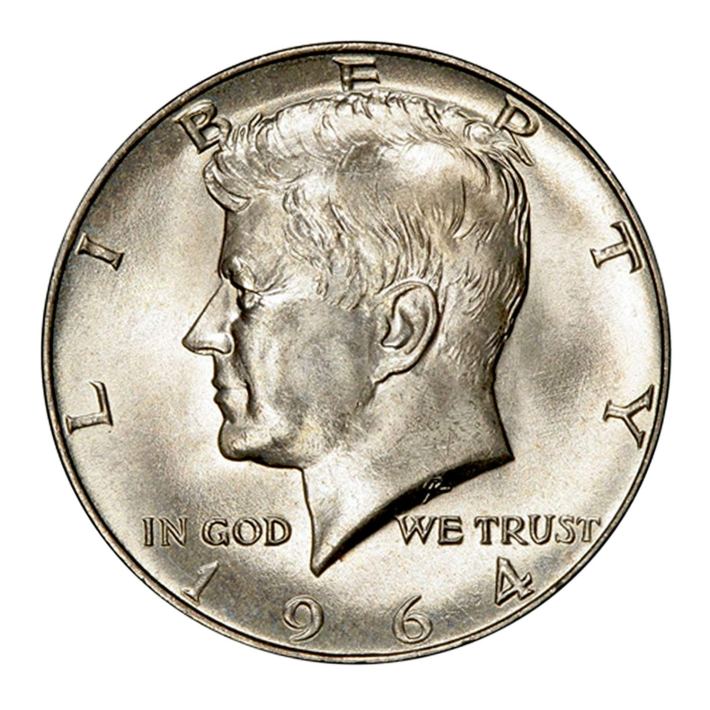
How did I end up with such a precious item on my birthday of March 28th?
My great Aunt Miriam had worked for the Treasury Department since the early 1930s and pulled a few strings for her grateful great niece.
I certainly had something special for show and tell the next day in school.
The Kennedy half dollar, though half the monetary value of Trump’s dollar coin, is infinitely more valuable to me.




 Envisioning The American Dream
The Trump coin is a slap to Democracy’s face. Beyond crazy. Your historic perspective, as always, a great read.
LikeLiked by 2 people
It is so unprecedented and so completely vain. This will definitely be one coin I won’t cherish
LikeLiked by 1 person
Of course, Trump being Trump, he also has to put his hideous mug on both sides of the coin, something else that’s never been done (as you know, it’s always a building or an eagle or something like that). I guess the idea of putting the new White House ballroom on the flip didn’r wash with someone.
LikeLiked by 1 person
That’s very true. When the Eisenhower silver dollar came out in 71 it had Apollo 11 on the back. Given that Trumps coin is to celebrate our 250th anniversary there are so many historical images to choose from not his mug again in that faux pose.
LikeLiked by 1 person
Ashamed to be an american.
LikeLiked by 1 person
There is not a lot to feel proud of right now
LikeLike