


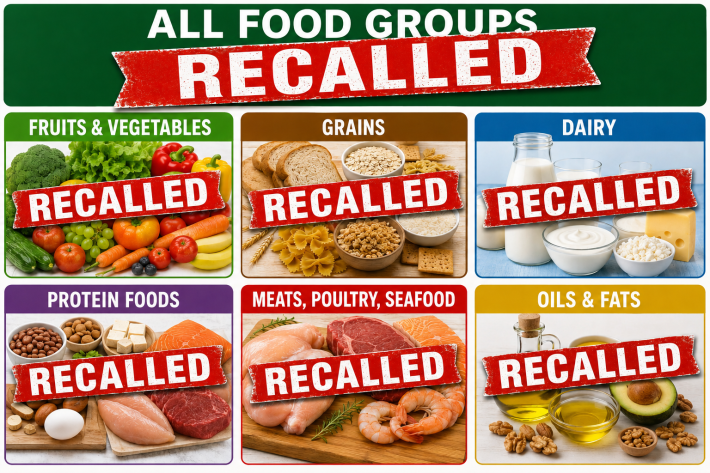
Food insecurity has taken on a very different meaning lately.
Americans are in a state of high anxiety about putting food on the table.
But it’s not only about the soaring costs of basic sustenance.
Nothing feels safe to eat anymore—and that should make every one of us furious.
And salmonella is just the tip of the iceberg, lettuce
We are still reeling from the past few months of the deadly Cyclospora outbreak.
Walking down the aisles of my supermarket lately has felt like traipsing through a war zone, trying my best to avoid the landmines, never sure where or when one is about to explode.
As I quickly pass over the romaine lettuce, I cautiously eye the Driscoll strawberries, nervous that E.coli is hiding in plain sight along with “forever chemicals.” Diligently, I check each egg carton, googling every brand to see if it has been recalled. And “mystery meat” is no longer what we once called the Salisbury steak served in the school lunch cafeteria. That chopped meat might come a trip around the globe.
A friend called it a crap shoot.
Actually, it’s more a game of Russian Roulette, and a wrong choice proves just as deadly.
Danger Everywhere
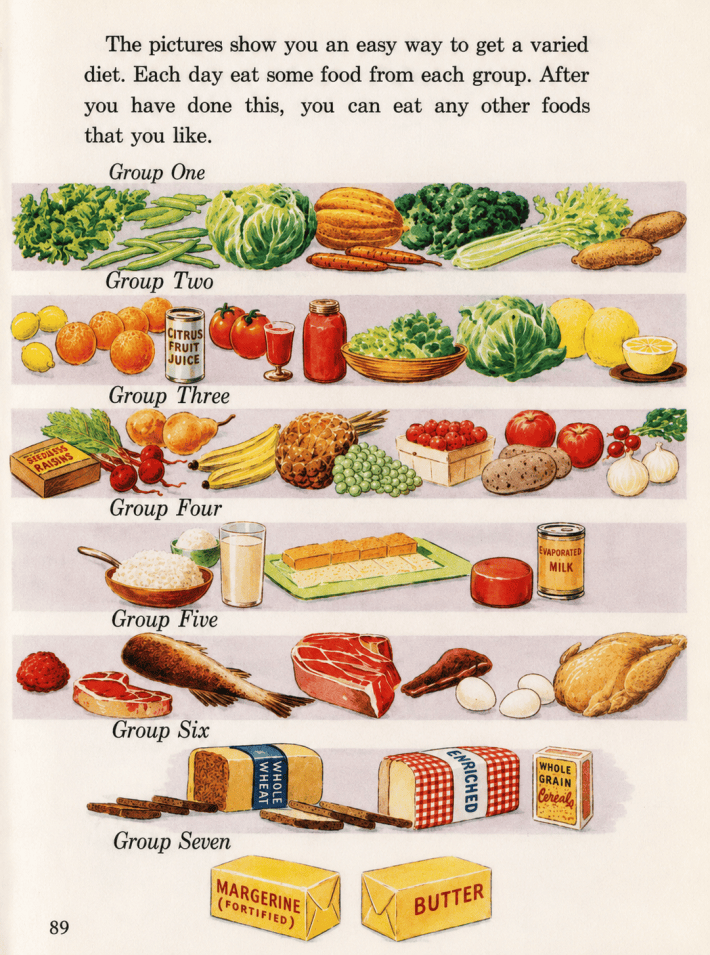
Vintage Illustration from “Better Health For You” 1953
Every food group in the wholesome, familiar food groups of my childhood is under attack. Even today’s pyramid is demolished.
There’s just nothing safe to eat.
So far in 2026, there have been at least 165 food recalls. Popsicles. Lettuce. Granola. Blueberries. Milk, beef, chicken, bread. The things people buy for their kids, pack in lunches, toss into smoothies, and put on the dinner table because we are told they’re making responsible choices.
Now we’re finding glass in fruit bars, metal in bread, potential salmonella in granola, E. coli-linked frozen blueberries, and lettuce tied to a massive Cyclospora outbreak. You cannot meal-prep your way around a food system where corporations treat safety like an optional expense.
Bobby Kennedy Jr. may claim he wants to “Make America Healthy Again,” but it’s hard to see what exactly he means by healthy.
Apparently it means stripping away public safeguards while food companies shrug off contamination that can send people to the hospital—or worse.
Project 2025 was not a harmless policy.
It laid out an agenda to gut the agencies and rules that restrain corporate power, slash food and nutrition support, and make ordinary people absorb the consequences.
We were told we were “overreacting.”
Food safety regulations are not bureaucratic clutter. They are the line between a grocery store and a corporate roulette wheel.
No, we weren’t overreacting to Project 2025.
Some of us were reading it.
Now we are living it.
And when it comes to our safety, we should feel very insecure.



Fake news. Fake statistics. Nothing to see here is the official line. The administration has accepted the industrial math that says the number of people sickened is such a tiny fraction of the population that we can ignore some collateral damage.
Trump loyalists who now need to think first before eating should also think twice before voting.
LikeLiked by 2 people
They are putting blinders on which is there way of governing.
LikeLike
It certainly is an awful reality!
LikeLiked by 1 person
Who needs Ozempic to lose weight? There’s no food safe to eat.
LikeLike
I guess when enough Christian Nationalists get sick and lose lives maybe then the Trump administration will sit up and take notice of peoples health. 🤷♂️
LikeLike